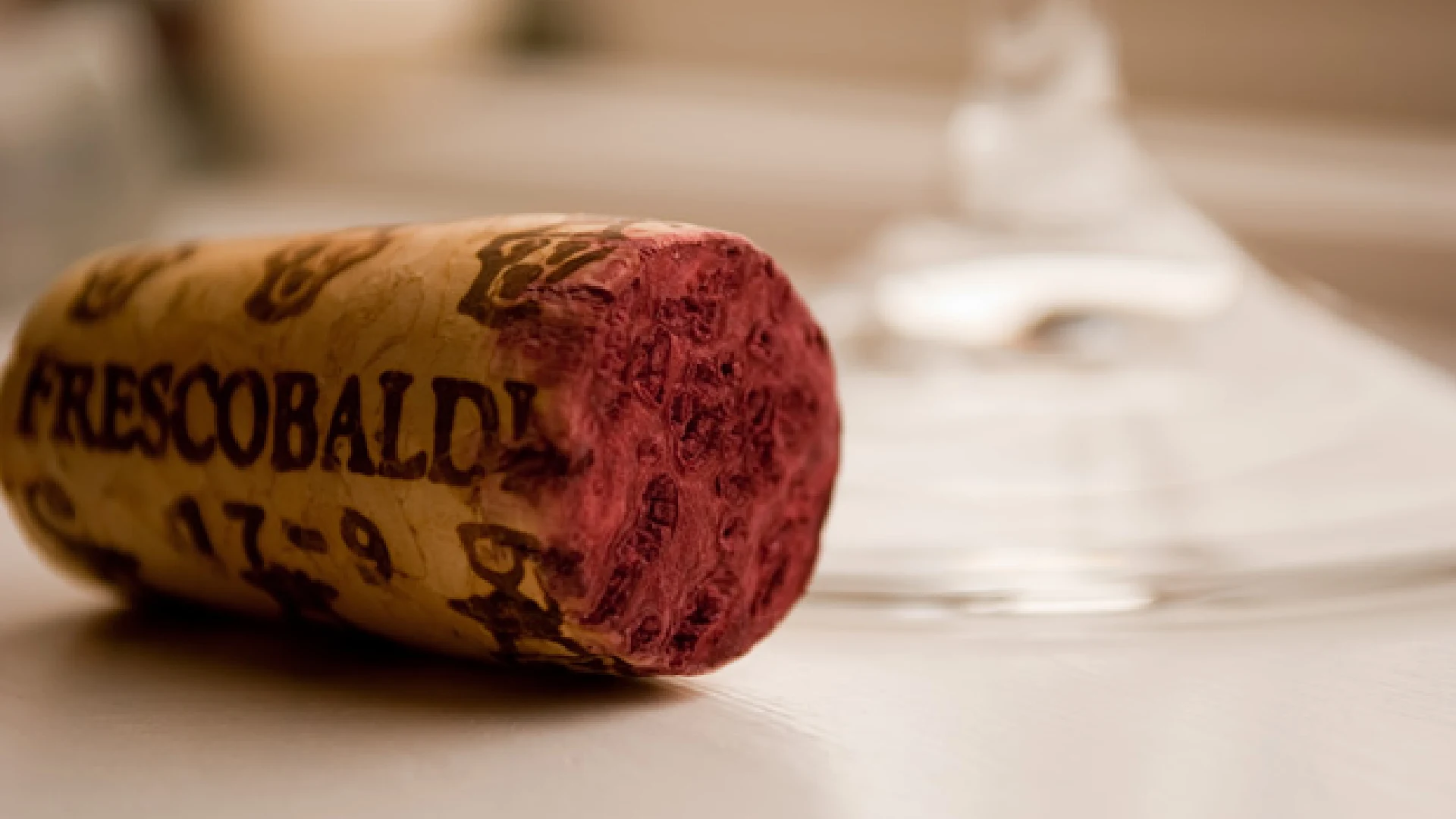
Spotting a spoiled wine is easy if you check its three main indicators: a dull, orange colour, a strong smell of vinegar or glue (from acetic acid) and a sharp, sour taste on the palate. If the wine shows two or three of these signs, it has turned and should not be served.
Opening a special bottle only to find it vinegary is one of the most common (and most avoidable) disappointments for any wine lover. The good news: a spoiled wine can be recognised in seconds with your senses, and in most cases the problem isn't the wine but how it was stored. In this guide you'll see how to identify it with confidence, why it happens and, above all, how to make sure it never happens to you again.
What a spoiled wine is
A spoiled wine has undergone acescence: in the presence of oxygen, acetic acid bacteria (Acetobacter) convert the ethyl alcohol into acetic acid (the same compound that gives vinegar its character) and into ethyl acetate, responsible for the smell of glue or nail-polish remover. Winemakers measure it as volatile acidity: above a certain threshold, the wine is considered faulty.
Put simply: the wine is turning into vinegar. It is an irreversible process; it can only be prevented.
The three signs to spot it
You don't need to be a sommelier. With sight, smell and taste (in that order) you have the full diagnosis.
1. Colour: dull and orange
Pour a glass and look at it against a white background. A healthy wine is bright and lively. A spoiled wine looks matte, lacking shine, and has shifted towards brown or orange tones: in reds, a premature brick-brown rim; in whites, a deep gold or amber. It is the visible mark of oxidation.
2. Smell: vinegar and glue
This is the clearest sign. Bring your nose to the glass: if instead of fruit you get a sharp vinegar smell, or notes of solvent, glue or nail-polish remover (ethyl acetate), the wine has spoiled.
3. Taste: sour and sharp
If sight and smell leave any doubt, the palate settles it. A spoiled wine tastes sour, cutting and harsh, with a vinegary acidity that stings the tongue. A small sip is enough to confirm it.
«Smell is the final judge: if it smells of vinegar, no colour or taste will save it.»
Spoiled wine vs. corked wine (TCA)
This is the most common misdiagnosis. Both are faults, but they have nothing to do with each other:
- Spoiled wine (acescence): smells of vinegar, glue or solvent. Sour taste. Cause: oxygen + acetic acid bacteria, almost always from poor storage.
- Corked wine (TCA): smells of wet cardboard, a damp basement or wet dog, never vinegar. It doesn't sting on the palate; it flattens and mutes the wine. Cause: the compound 2,4,6-trichloroanisole (TCA) in the cork.
The quick rule: if it smells of vinegar, it's spoiled; if it smells of damp and cardboard, it's corked.
Why wine goes bad
Spoilage needs two ingredients: oxygen (the trigger) and acetic acid bacteria (the engine). Anything that increases contact with air or speeds up the reaction pushes the wine towards vinegar:
- Bottle open too long. Uncorking lets oxygen rush in.
- Cork dried out by low humidity. Stored upright or in dry air (< 55 % RH), the cork shrinks and air seeps in.
- Heat and temperature shocks. Above 20-25 °C the reaction takes off.
- Temperature swings. Each warm-cold cycle pumps air through the cork.
Almost always, a spoiled wine is a storage failure, not a fault of the winery that made it.
How to prevent it
Preventing spoilage comes down to two ideas: control the climate and limit oxygen. These are the parameters we apply to every bespoke wine cellar and cabinet we design:
- Constant 12-14 °C. More important than the exact figure is stability, avoid swings.
- 60-70 % relative humidity. Keeps the cork hydrated and airtight.
- Bottle lying down. Wine in contact with the cork keeps it moist and sealed.
- No light or vibration. UV light and sustained vibration degrade the wine.
- Once open: reseal the bottle, keep it cold and drink it within 2-4 days. A vacuum pump or inert gas buys several more days.
A domestic fridge won't do for storing wine more than a few days: it runs at 2-5 °C and 35-40 % humidity, dries the cork and vibrates constantly. We cover this in depth in how to store wine in optimal conditions and in the guide to storing it at home.
For a growing collection, the only way to guarantee these parameters for years is dedicated climate control. Depending on the space and volume, we design:
- Built-in kitchen wine cabinets: dual or triple zone to keep whites and reds at their own temperature.
- Glass wine rooms for living areas: climate and humidity control with low-emissivity glass and UV-free LED.
- Underground wine cellars: the ground's thermal inertia plus active humidification for large collections.
- Climate-controlled wine cellars: climate engineering with ±0.5 °C stability and anti-vibration.
Can you drink or use it?
A spoiled wine is not dangerous to health, but its vinegary taste makes it unpleasant to drink, so it should not be served in the glass. If the spoilage is mild, put it to use in the kitchen: reductions, marinades or a quick vinaigrette. If it's heavily vinegary, it's best discarded.
Frequently asked questions
How do you tell if wine is spoiled?
Check its three indicators: a dull, orange colour, a vinegar or glue smell (acetic acid) and a sour, sharp taste. Two or three of these signs mean it has turned and should not be served.
Is a spoiled wine the same as a corked wine (TCA)?
No. A spoiled wine smells of vinegar and glue (acetic acid). A corked wine (TCA) smells of wet cardboard or a damp basement, never vinegar, and comes from 2,4,6-trichloroanisole in the cork.
How do you stop wine from going bad?
Control the climate and limit oxygen: constant 12-14 °C, 60-70 % humidity, bottle lying down, no light or vibration. Once open, reseal, refrigerate and drink within 2-4 days. A climate-controlled cellar holds these parameters for years.
Can you drink spoiled wine?
It's not dangerous, but it's spoiled and unpleasant in the glass. Mild spoilage can be used in the kitchen; if heavily vinegary, it's best discarded.
So your collection never turns
We design wine cabinets and cellars that hold your wines at 12-14 °C and 60-70 % humidity for decades. Free technical site visit, photorealistic 3D render before manufacture, turnkey installation.